Join this session for a review of recent trade secret cases and outcomes across key jurisdictions in the US and further afield; examine how reasonable measure standards have evolved, and what courts are now accepting.

Join this session for a review of recent trade secret cases and outcomes across key jurisdictions in the US and further afield; examine how reasonable measure standards have evolved, and what courts are now accepting.

Gain firsthand insight into how judges from the PTAB and federal courts in key jurisdictions are approaching pharmaceutical and biotech patent disputes. This session offers a rare opportunity to hear directly from the decision-makers on litigation strategy, evidentiary expectations, and what most influences outcomes in complex patent cases.

In light of recent changes in PTAB practice under new USPTO Director John A. Squires, in-house teams are reassessing disclosure risk, IPR exposure, and long-term enforceability, particularly for manufacturing processes, algorithms, and data-driven know-how. This session focuses on how companies are making these calls in practice, and how patent strategy is directly shaping trade secret risk in later disputes.


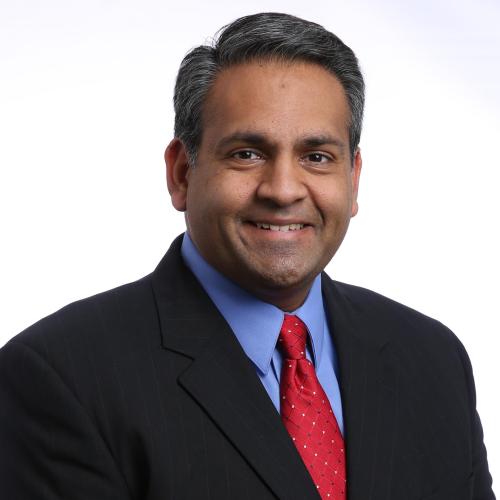
Damon Gupta is a Director, Patent Counsel at Spark Therapeutics, Inc., a leader in gene therapy and member of the Roche Group. With over a decade of experience in intellectual property (IP) law and a background in molecular biology, Damon advises biotechnology and pharmaceutical companies on patent strategy, IP transactions, and risk mitigation. At Spark, Damon leads efforts to protect proprietary assets, including trade secrets, manage IP disputes, and provides IP support to cross-functional teams, including R&D, manufacturing, and corporate transactions. Damon holds a J.D. from Chicago-Kent College of Law, an M.S. from Baylor College of Medicine, and a B.S. from The Ohio State University.
Recent court decisions in Skinny Label cases show that liability increasingly focuses on post-launch conduct and real-world use, not label text alone. A panel of leading in-house counsel and litigators with innovative, biosimilar, and regulatory perspectives will address shifting litigation strategy.


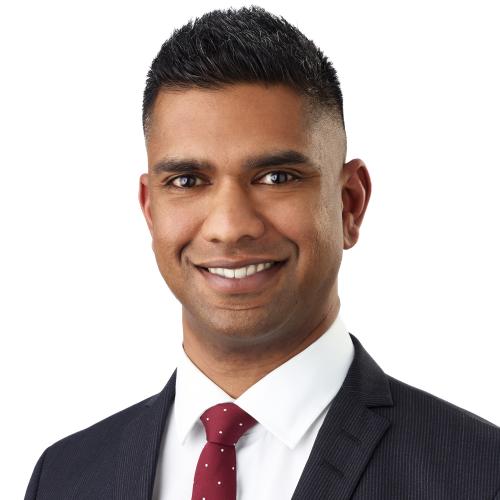
Sanjaya Mendis is a partner and life sciences IP litigator at McCarthy Tétrault LLP based in Toronto, Canada. The IP Litigation group is ranked Band 1 in Chambers and recently received the Patent Litigation Firm of the Year by LMG Life Sciences. Sanjaya handles complex cross-border contentious patent disputes and has represented clients in all levels of Canadian courts, including the Supreme Court. Sanjaya’s recent notable experience includes: Regeneron/Bayer (aflibercept); AbbVie (adalimumab); Merck (sitagliptin); and BMS/Pfizer (apixaban).


Trade secret disputes increasingly involve conduct, data, and teams outside the U.S. In-house teams are finding that trade secret theft that appears “foreign” can still trigger U.S. litigation, while non-US data, employment, and disclosure rules can significantly limit how companies investigate and respond. Recent court decisions have clarified that the DTSA can reach conduct abroad, materially increasing exposure for global organisations. This session focuses on what extraterritorial trade secret risk looks like in practice and how in-house teams do ityou are adjusting their strategies.


Senior executive with deep experience in environmental markets, capital markets, financial technology, blockchain, digital supply chains, and food traceability. Specializes in corporate development, revenue strategy, commercial growth, and scaling technology solutions across global industries, with a strong track record in sales leadership, partner engagement, and investor support.